
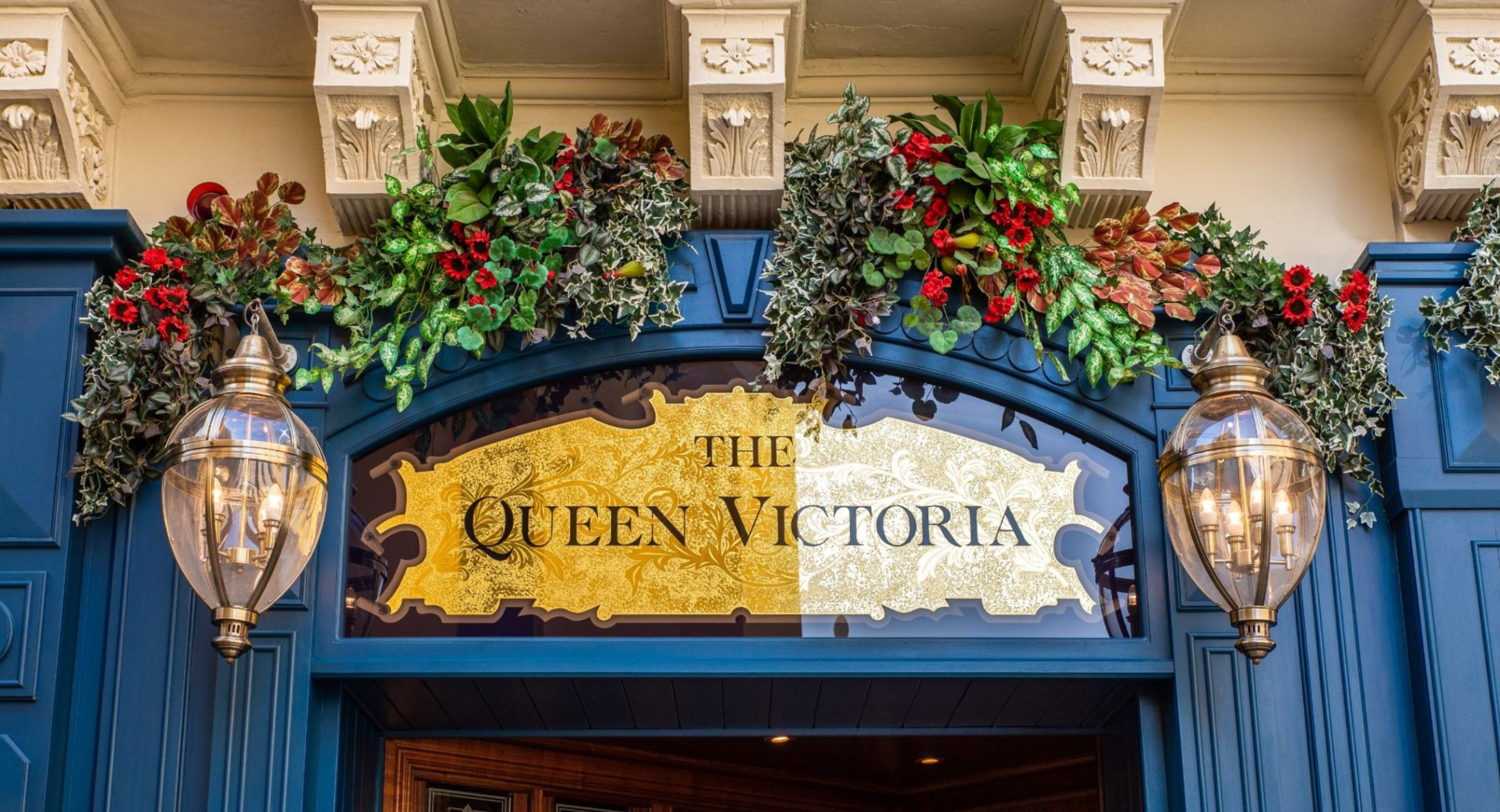
How Victorian Pub Design Creates Character
at Queen Victoria Malta
Queen Victoria City Pub brings a Victorian pub design to Malta and that presents a genuine design challenge. Recreating a nineteenth-century interior convincingly, while running a busy modern hospitality venue, takes far more than period-style props. A pub’s interior is its identity: guests read the room before they read the menu. At Queen Victoria, the Victorian character comes from architecture, materials, lighting and craftsmanship working as one, not from decoration applied at the end.
What Makes Victorian Pub Interior Design Distinctive?
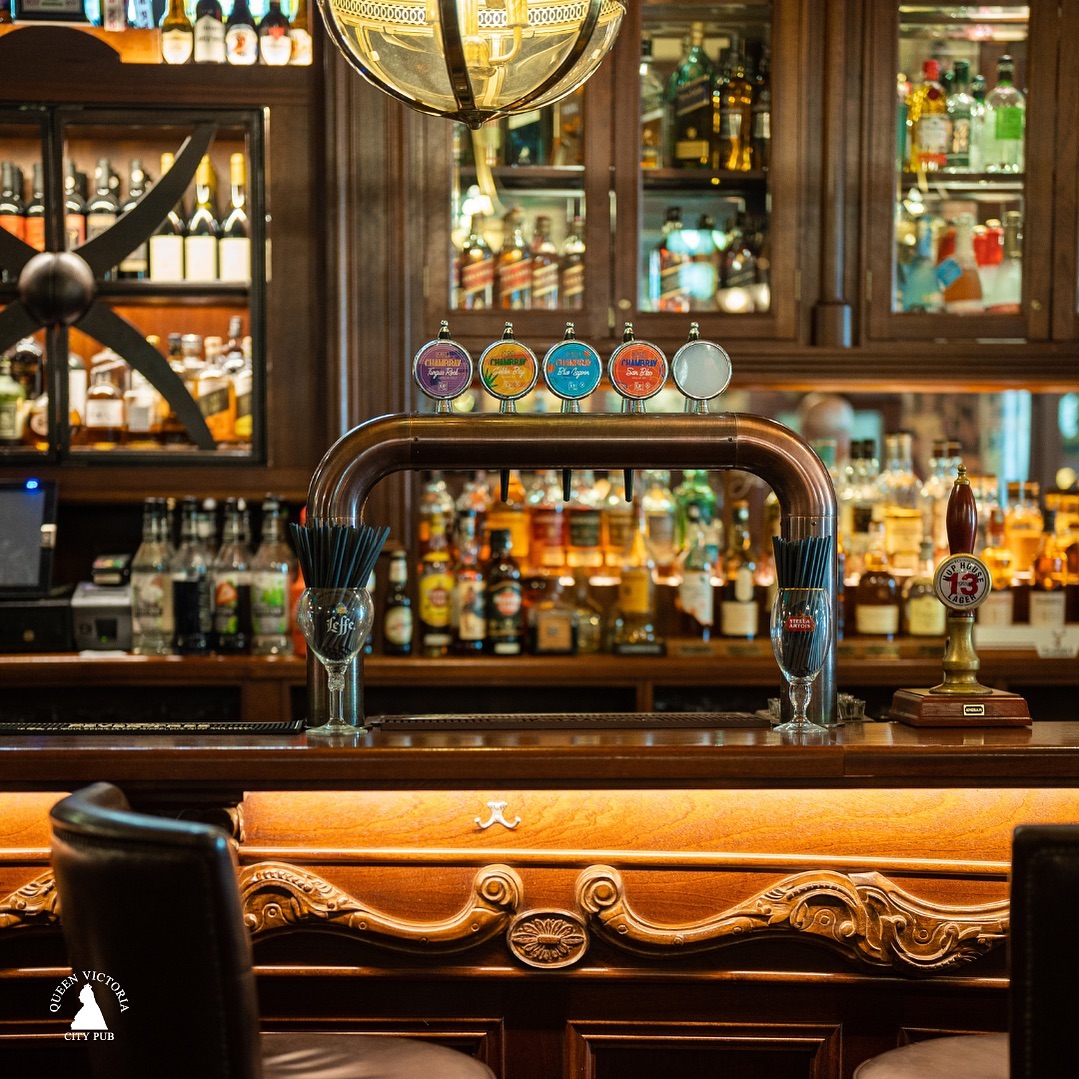
Victorian pub interior design is defined by ornate detail, rich traditional materials and layered light, interiors that feel built rather than styled. The hallmarks are consistent: carved timber joinery, moulded cornices and panelled walls; decorative finishes such as hand-painted and gilded signage; and traditional materials including dark hardwood, patterned flooring and stone. Brass appears wherever it can, foot rails, bar fittings, handles and light fittings, catching and returning the light.
Glasswork does much of the atmospheric heavy lifting, from etched and decorated panels to antiqued mirrors that open up a room. Rich textures in leather, velvet and patterned upholstery soften hard surfaces, while statement lighting anchors each zone. Above all, a Victorian pub interior carries a sense of history, the feeling that the space has been layered over decades rather than installed in a season. It is the same instinct that led heritage bodies to protect Britain’s surviving Victorian-era pubs.
Queen Victoria applies each of these principles deliberately.
How Queen Victoria Uses Craftsmanship to Build Character
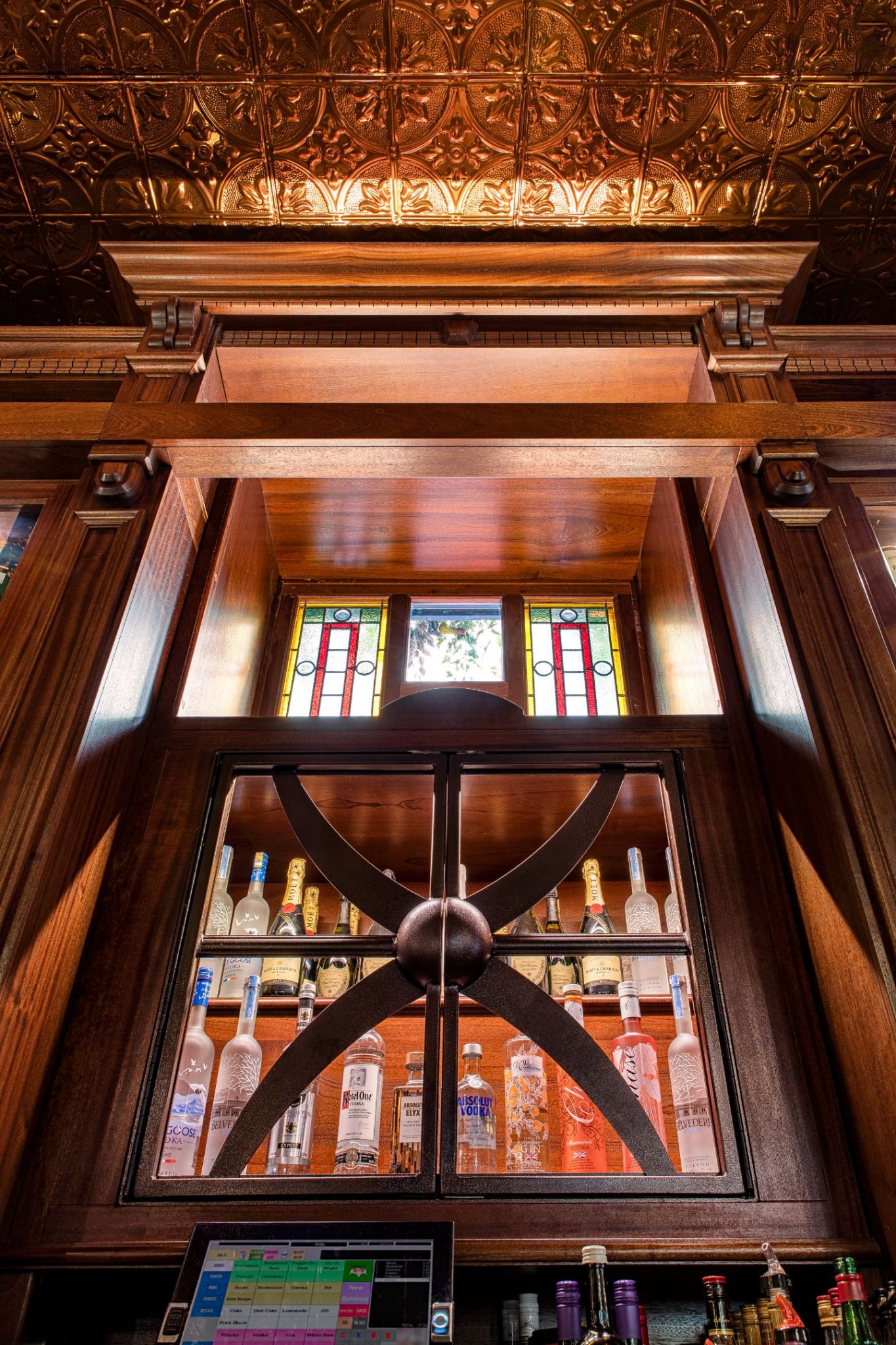
The project covers interior architecture, handcrafted joinery and millwork, lighting, furniture, flooring, custom glass and signage, and bespoke finishes, each designed for the space rather than sourced off the shelf.
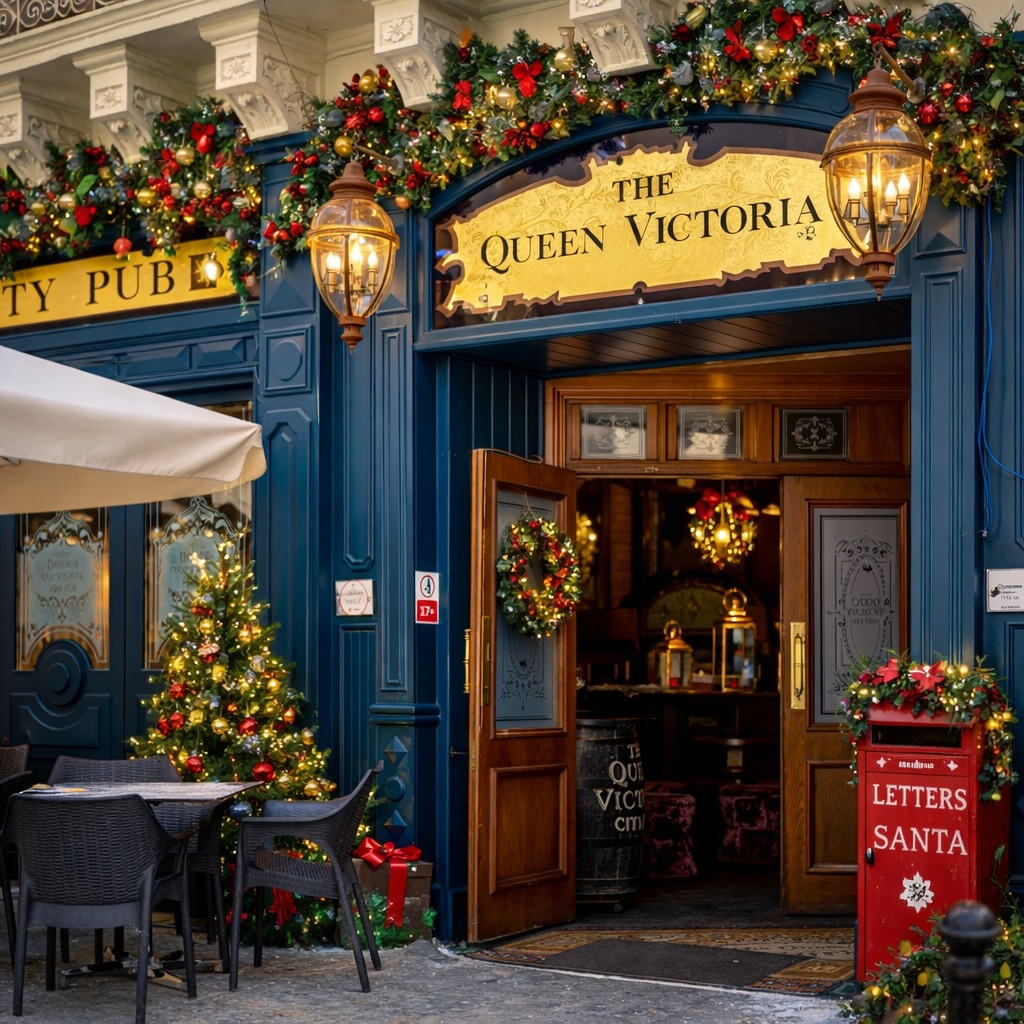
Handcrafted joinery gives the bar and back bar their architectural weight, with millwork detail that stands up to close inspection. Bespoke finishes create a depth and warmth that factory coatings cannot replicate. Custom flooring defines circulation and zones underfoot. Glass details, etched, decorated and carried through into signage, repeat the Victorian language across the room. Furniture and fittings are specified to match that vocabulary in scale, timber tone and upholstery.
A single beautiful bar cannot rescue a room where the flooring, lighting and seating each tell a different story. Across our pub design work, every element is drawn from the same design language, so the interior reads as one coherent space rather than a collection of good ideas.
Why Lighting Matters in a Victorian Pub Interior
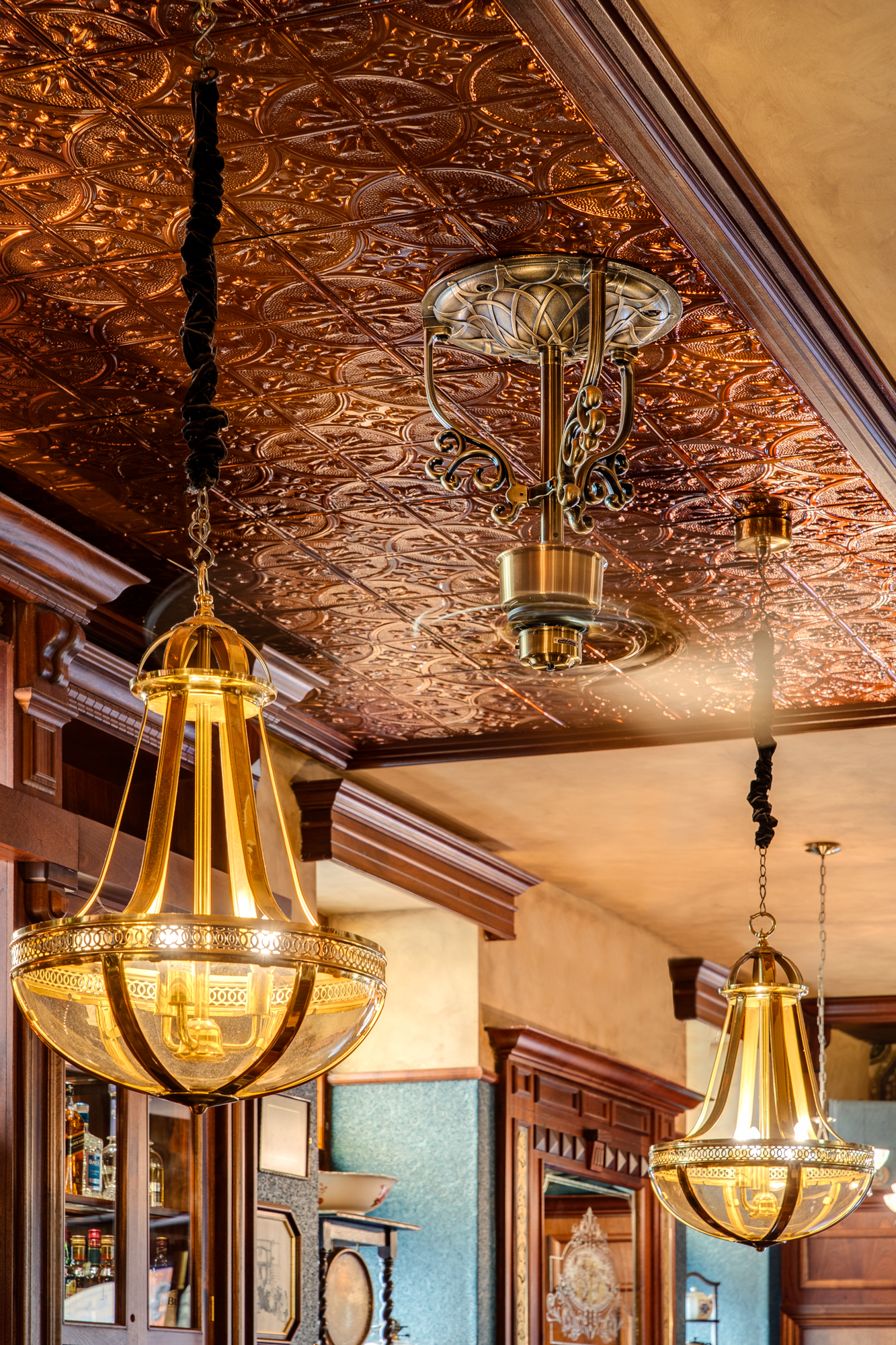
Lighting sets the emotional temperature of a pub faster than any other element. Chandeliers act as anchors at Queen Victoria, giving the room a focal point and a sense of occasion the moment guests walk in.
Beneath them, warm layered lighting does the atmospheric work. Wall lights, pendants over the bar and localised light at tables break a large room into intimate pockets, so a quiet drink for two feels as comfortable as a full house. Directional light picks out architectural detail, joinery profiles, glasswork, brasswork, that would otherwise disappear into the background. The balance to strike is elegance against comfort: refined enough to feel considered, warm enough to keep people in their seats.
How Can Historic Pub Design Work in a Modern Hospitality Space?
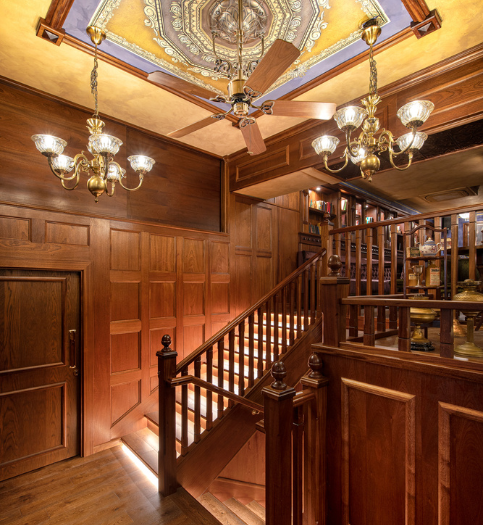
Historic pub design works in a modern venue when period character is preserved but the operation is planned for today’s trading. The aim is a pub, not a museum. The best surviving examples of historic pub interiors are still working rooms, not exhibits.
That starts with space utilisation and customer flow: where guests enter, how they reach the bar, how staff serve without crossing paths, and where queues form on a busy evening. Seating is planned in varied formats, booths, high tables, banquettes, so the room suits a quick drink, a long lunch or a large group. Comfort matters too; period-style furniture still needs contemporary upholstery and ergonomics.
Behind the scenes, modern requirements are designed in rather than bolted on. Servery layouts, back-of-house access, ventilation, acoustics, accessibility and technology all sit within the traditional shell. Get this right and guests simply experience the atmosphere, while the operator gets a room that trades efficiently. Queen Victoria holds that balance: authentic in feel, practical in use.
5 Victorian Pub Design Ideas to Take From Queen Victoria
-
- Use bespoke detailing. Handcrafted joinery and millwork give a room a depth that off-the-shelf fittings never will.
- Make lighting part of the architecture. Treat chandeliers and fittings as design elements, not an afterthought.
- Layer traditional materials. Combine timber, brass, glass, tile and rich textiles for authentic depth, the ornamental logic behind Victorian architecture itself.
- Use custom furniture and finishes. Specify pieces to suit the space, the period and the trading pattern.
- Create a consistent visual story. Every element, from flooring to signage, should speak the same design language.
Conclusion
Victorian character cannot be bought in, it has to be built. Queen Victoria City Pub works because interior architecture, handcrafted joinery, bespoke finishes, custom glass and chandelier lighting were all designed together, then planned around the realities of a modern trading venue. That combination is what separates a genuine period pub interior from a themed one: guests feel the history rather than noticing the decoration. Get the craftsmanship and the operational planning right, and the atmosphere takes care of itself.
Frequently Asked Questions
What are the key features of Victorian pub interior design?
Carved timber, panelled walls and moulded cornices give a Victorian room its architectural weight, and nothing else replicates that effect. After that it’s the materials that catch light, brass rails and fittings, etched or decorated glass, antiqued mirrors, layered over dark hardwood and patterned flooring. A statement light fitting to anchor each zone, and the room starts to feel like it has been there for decades.
How do you create a historic atmosphere in a modern pub?
Use real materials and let them do the work. Keep the period detail consistent across every element, a beautiful bar sitting above the wrong flooring reads as a stage set rather than a room. Then plan the operation around how people actually eat and drink today: servery layout, circulation, acoustics, accessibility and technology all need to sit inside the traditional shell without announcing themselves.
How can lighting improve a pub interior design?
Lighting decides how long people stay, which makes it the most commercially significant decision in the room. Keep it warm and layered, wall lights, pendants over the bar, localised light at tables, so a large space breaks into smaller pockets where conversation feels private. Use directional light to pick out the details. And put everything on dimmers: the right level at six in the evening is the wrong one by eleven.


