
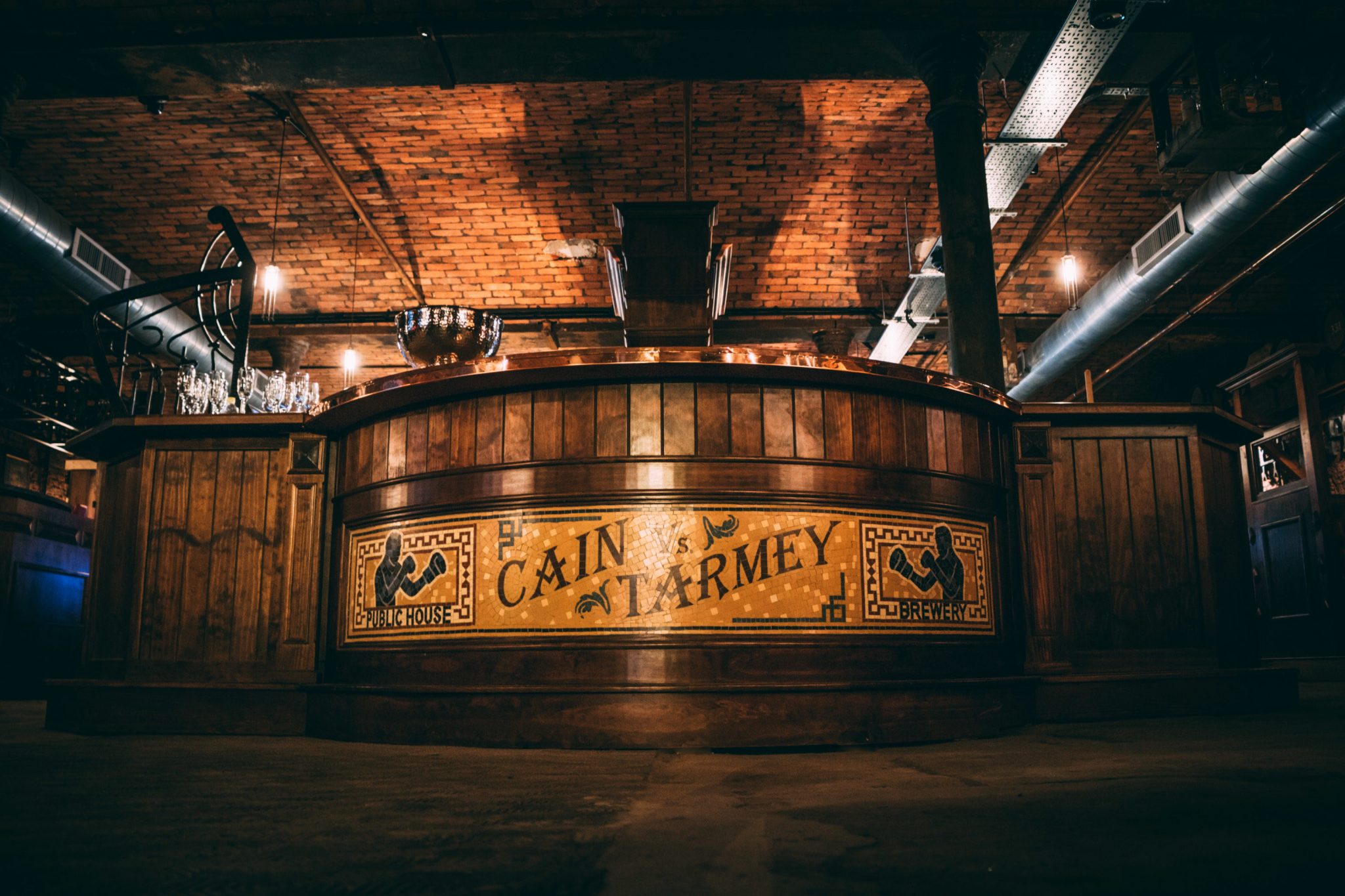
Why Flexible Indoor-Outdoor Design Boosts
Pub Revenue in The UK?
The UK hospitality landscape is evolving rapidly, and pub owners face mounting pressure to create spaces that adapt to unpredictable weather, changing consumer habits, and the booming staycation economy. In 2026, flexible indoor-outdoor design isn’t just a luxury; it’s a competitive necessity that directly impacts revenue, guest satisfaction, and operational resilience.
The Rise of Flexible Pub Spaces in the UK
British pubs have always battled the elements, but modern consumers expect seamless transitions between cosy interiors and fresh-air dining. Flexible design bridges this gap, transforming how venues operate throughout the year.
How the weather impacts pub occupancy
UK weather remains gloriously unpredictable. Venues with adaptable layouts maintain consistent occupancy regardless of conditions, using retractable roofs, heated outdoor zones, and convertible spaces that protect guests from sudden showers whilst maintaining that coveted al fresco atmosphere.
Research shows that pubs with weather-protected outdoor areas see more footfall during the shoulder seasons than traditional venues. According to the Met Office, UK rainfall patterns have become increasingly unpredictable, making weather adaptability crucial for hospitality businesses. When guests know they can enjoy outdoor experiences without weather-related risk, they’re more likely to visit spontaneously rather than checking forecasts first.
Industry data from UK Hospitality confirms that weather resilience directly correlates with revenue stability, particularly for venues in tourist-heavy regions where visitor confidence depends on guaranteed comfort regardless of conditions.
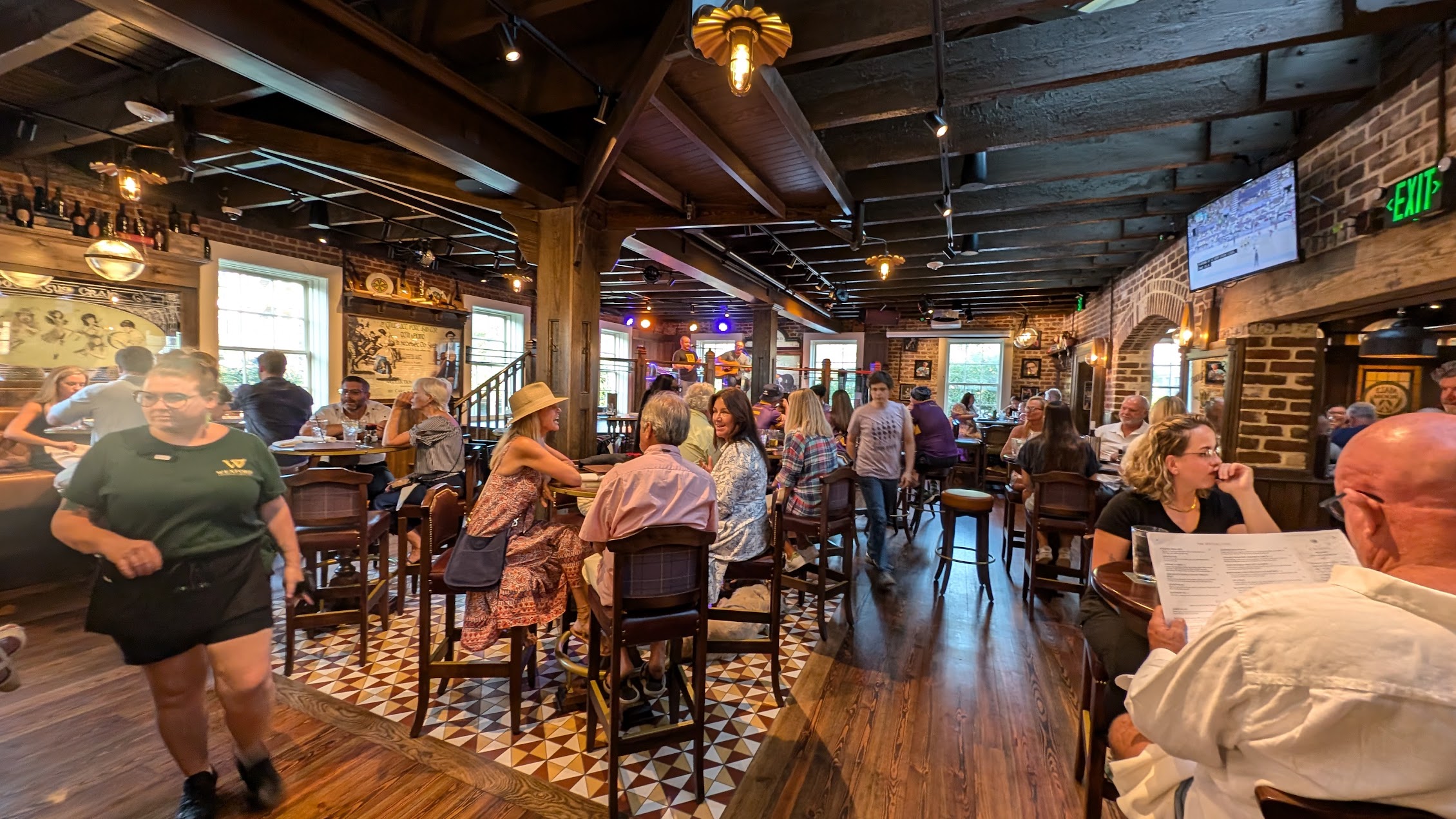
Benefits for customer comfort and dwell time
Guest comfort directly correlates with spending. When patrons feel physically comfortable, they order additional rounds, explore food menus, and recommend venues to friends. Flexible spaces allow staff to optimize comfort zones throughout the day, morning coffee in sunlit corners, afternoon pints on breezy terraces, and evening meals in candlelit indoor-outdoor hybrids.
Dwell time increases by an average of 22 minutes in pubs with seamless indoor-outdoor flow, translating to measurably higher bar tabs and improved table turnover management. Research from Cornell University’s School of Hotel Administration demonstrates that environmental comfort factors, including temperature control, natural light, and fresh air access, significantly influence customer satisfaction scores and spending behavior in hospitality settings.
Design Elements That Enable Flexibility
Modern bifold glass systems and retractable walls transform fixed spaces into versatile environments. These solutions allow pubs to open entire wall sections during pleasant weather, creating expansive indoor-outdoor zones that feel neither cramped nor exposed.
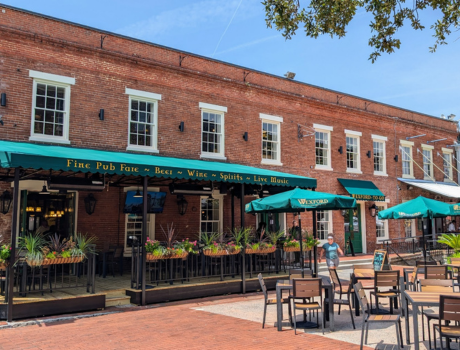
Traditional beer gardens surrender to British rain, but contemporary designs incorporate heated pergolas, retractable awnings, and transparent windbreaks. These elements extend outdoor usability from roughly 90 days annually to over 250 days, fundamentally increasing revenue potential.
Infrared heaters tucked into pergola beams provide warmth without visual clutter, whilst clear acrylic panels maintain views and allow light to penetrate. The result feels outdoors without the exposure, indoors without the confinement.
Flexible design demands equally adaptable furnishing. Weather-resistant materials that complement interior aesthetics allow seamless furniture migration between zones. Stackable chairs, moveable planters as space dividers, and wheeled bar carts enable staff to reconfigure spaces quickly as weather shifts or booking patterns change.
Operational Advantages for Pub Owners
Every square meter must earn its keep in today’s market. Adaptable spaces generate revenue across more hours and weather conditions than traditional layouts. A terrace that operates year-round obviously outperforms one that is closed for six months, whilst indoor areas that breathe outward during summer avoid the stuffiness that drives customers away.
Venues report 18-28% revenue increases post-renovation when incorporating genuine indoor-outdoor flexibility, with the fastest ROI in high-traffic urban and tourist locations.
Private events command premium pricing but require spatial versatility. Flexible layouts accommodate intimate birthday parties, corporate networking events, and wedding receptions within the same footprint, sometimes on consecutive days.
Modern flexible systems incorporate sustainability features that reduce operating costs whilst appealing to environmentally conscious consumers. Solar-powered retractable roofs, rainwater collection from canopies, and natural ventilation systems lower utility bills whilst boosting green credentials.
These features increasingly influence booking decisions, particularly among younger demographics who actively seek sustainable venues.
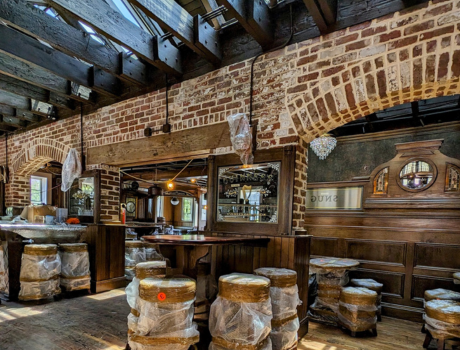
Case Studies from the UK
Real-world implementations demonstrate the flexible design’s transformative potential. Projects like Punch Tarmey showcase how traditional Irish pub authenticity blends seamlessly with contemporary adaptability, creating spaces that honour heritage while embracing modern expectations.
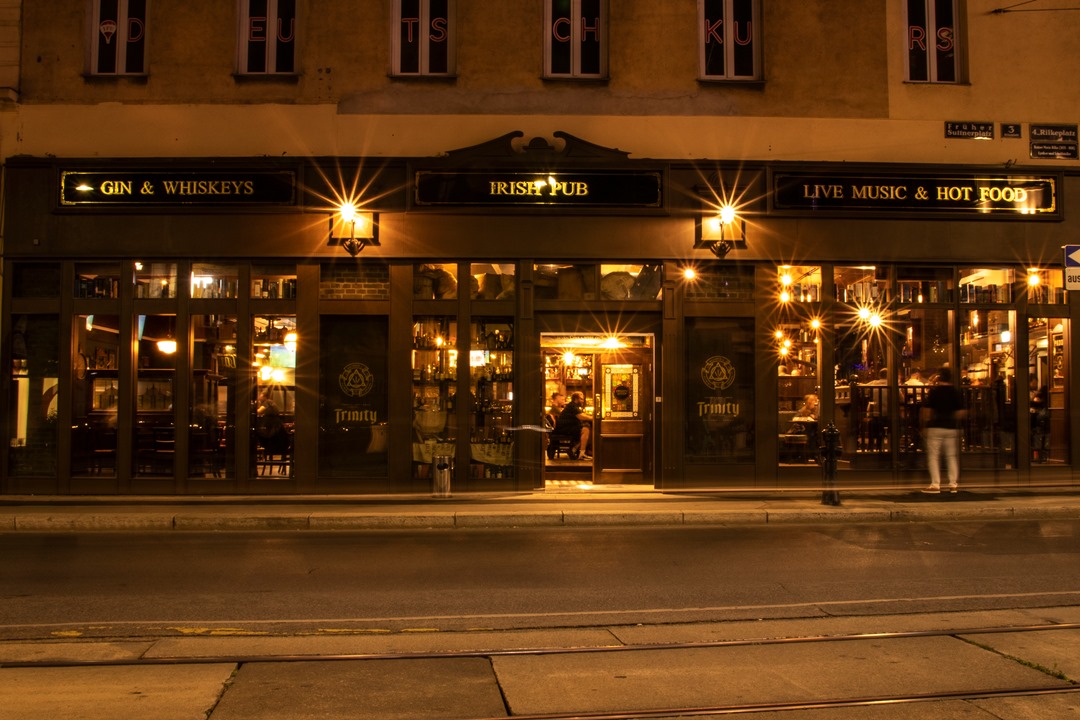
Trinity Irish Bar exemplifies urban flexibility, maximizing limited square footage through intelligent indoor-outdoor integration that serves lunch crowds, after-work gatherings, and weekend revellers with equal effectiveness.
Conclusion
Outdoor-indoor flexibility is essential, not an optional upgrade, for UK pubs and hospitality venues in 2026. Whether renovating historic premises or designing new builds, prioritizing flexible indoor-outdoor integration positions your venue for sustained success in Britain’s dynamic hospitality marketplace. Ready to transform your space?
We provide professional consulting to ensure your designs maintain aesthetic vision and balance, with practical functionality tailored to your needs.


