
How Restaurant Design Creates a Memorable
Dining Experience
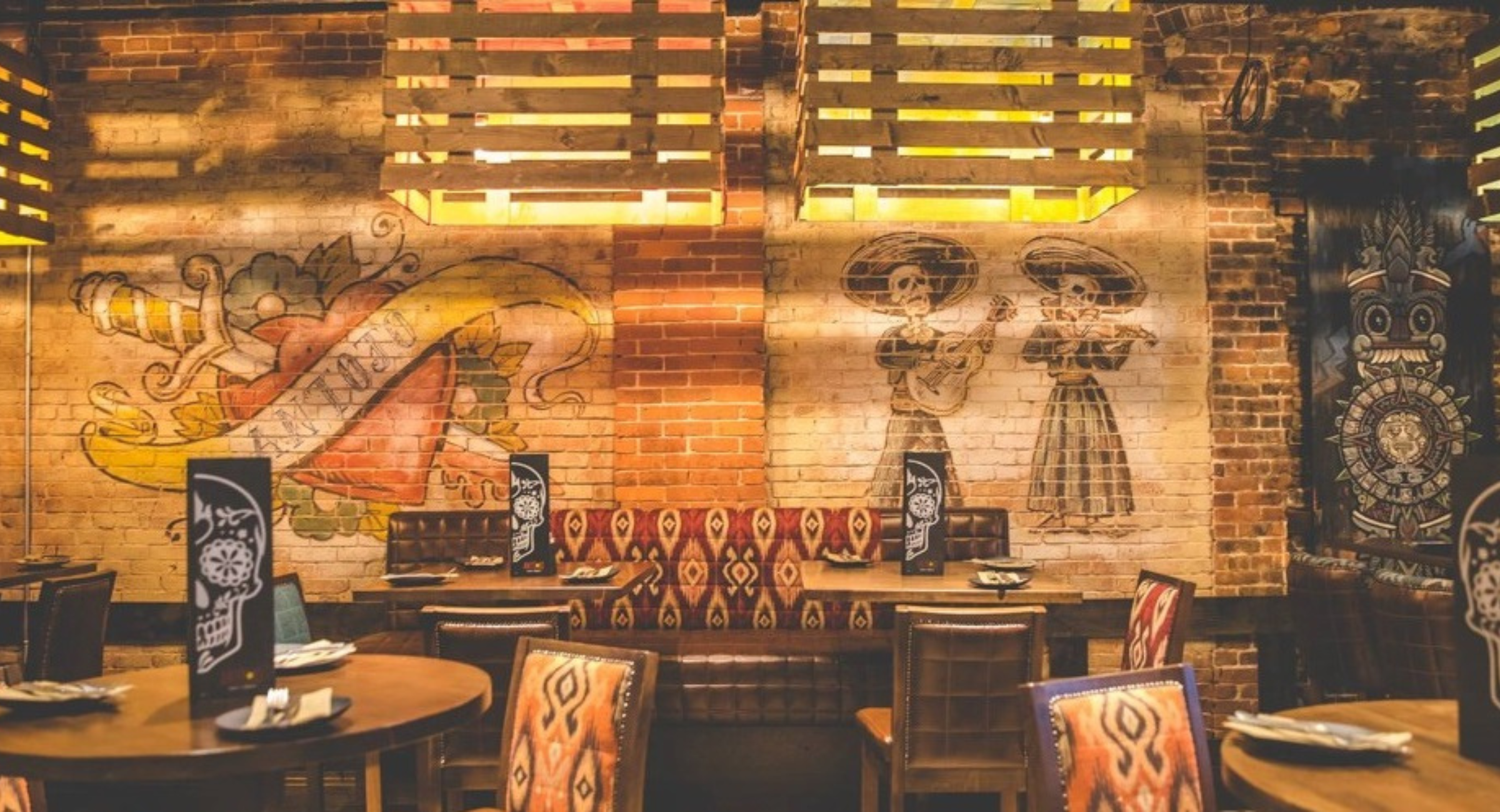
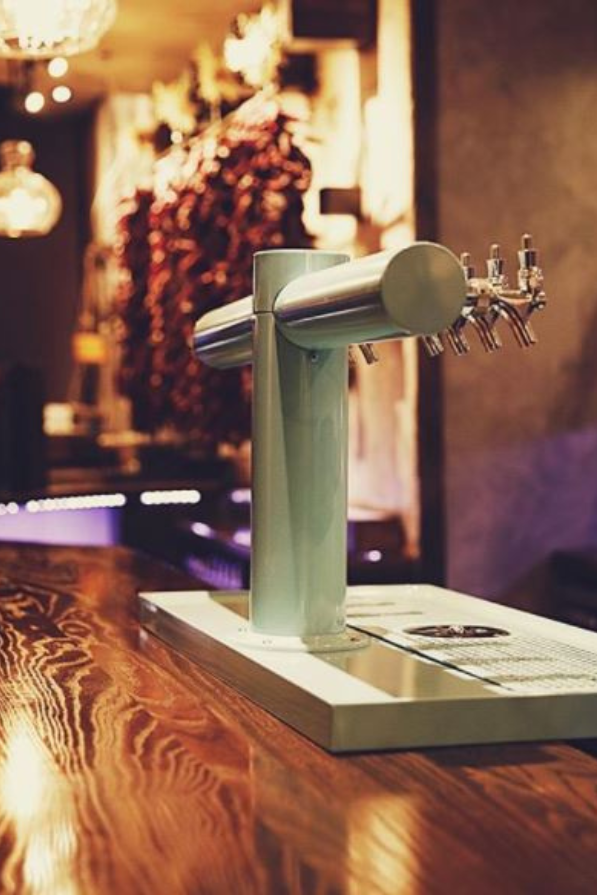
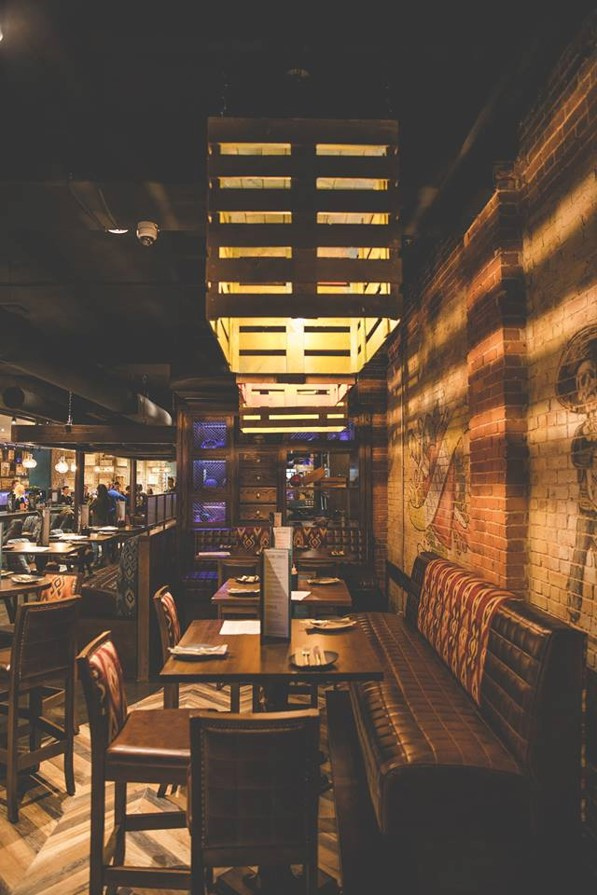
Antojo Tacos and Tequila opened in Halifax in January 2018, in the heart of the city’s restaurant and entertainment district, and took Best New Restaurant at the Nova Scotia Restaurant Awards. It’s a useful case study because nothing about it was left to decoration. Concept development, brand creation, interior architecture, joinery, lighting, furniture, flooring and signage were all delivered as one piece of work, turning a unique restaurant concept into a complete, coherent experience.
How Does Restaurant Design Influence the Dining Experience?
Restaurant design shapes the experience before a single plate arrives, and it keeps shaping it until guests leave.
The first impression is architectural. Guests form a judgement about price, quality and occasion within seconds of walking in, based on materials, light levels and how the room is organised. Comfort determines how long they stay: seat depth, table height, spacing between covers and acoustic control all affect whether a table turns in forty minutes or lingers for two hours. Movement matters just as much, how guests reach the bar, where service routes run, and whether staff and customers cross paths. Atmosphere then does the emotional work, and it compounds; this is the core of the restaurant ambiance model, which holds that customers judge a venue’s quality from environmental cues before any service is delivered.
How Antojo Uses Design to Express Its Mexican Identity
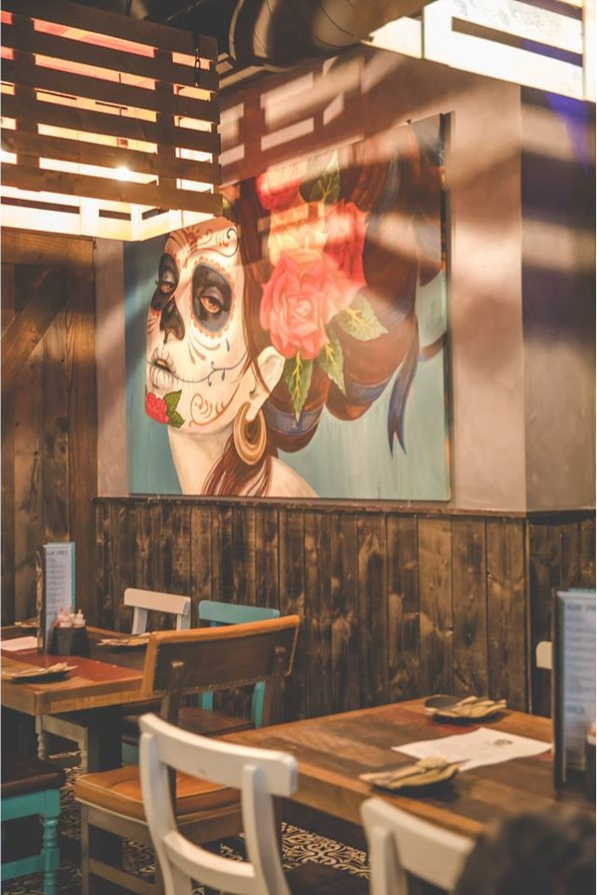
Antojo’s identity is expressed through content, not costume. Hand-painted specialist artwork dominates the space, including catrinas and skulls drawn from Día de los Muertos, the Mexican holiday honouring deceased loved ones, a tradition UNESCO recognises as intangible cultural heritage. That’s a considered cultural reference with real meaning behind it, not a generic motif applied to a wall.
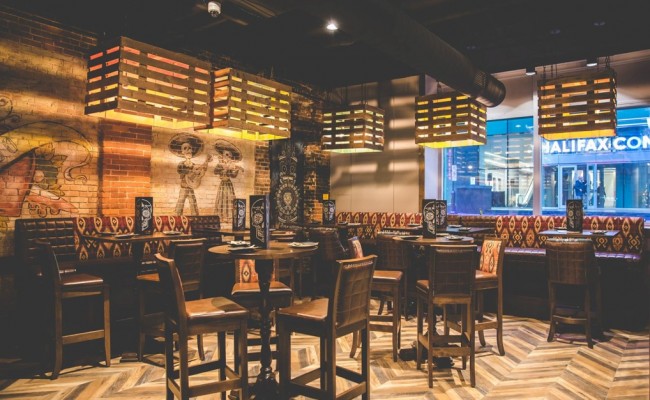
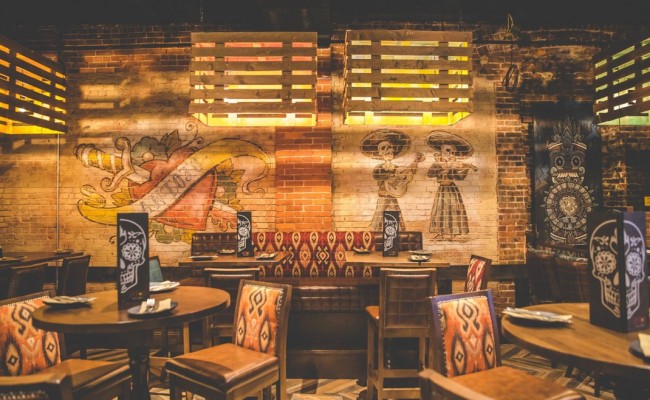
The physical execution carries the same intent. Handcrafted furniture in hardwoods, artisan-upholstered seating, detailed millwork, custom flooring, bespoke glass and specialist finishes were all made for this room rather than ordered from a catalogue. Colourful murals and traditional artefacts establish character at close range, where guests actually look.
The brand sits underneath all of it. The name itself translates as craving, a single idea that the food, the artwork and the interior all serve. That’s what separates a restaurant with a genuine cultural identity from one borrowing an aesthetic: the design references the same culture as traditional Mexican cuisine being served from the kitchen.
What Makes a Restaurant Interior Feel Inviting?
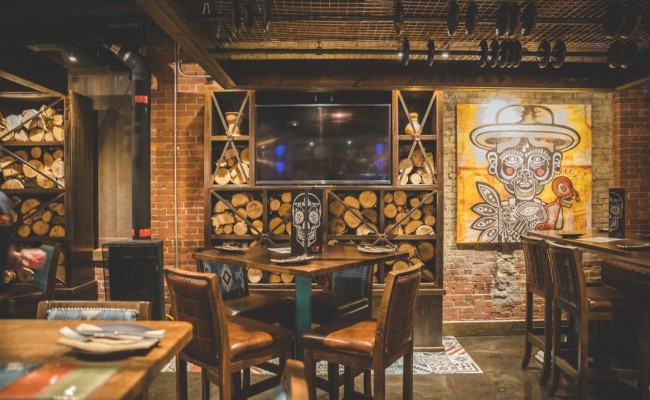
Lighting is the biggest lever: Antojo uses soft, warm light to create an inviting environment rather than a flat, bright one. Seating is varied deliberately so the room accommodates couples, families and larger groups without any of them feeling badly placed. Colour and texture supply energy and depth, murals, upholstery, timber and tile giving the eye something to land on at every distance. Décor with genuine provenance signals care. And sound is designed, not accidental: background music that complements dining without overwhelming conversation is one of the most underrated tools in restaurant interior design, because guests who can’t hear each other don’t stay.
How Can Restaurant Branding Be Incorporated Into Interior Design?
Branding belongs in the fabric of the building, not just on the menu cover.
Start with the visual identity and let it drive material choices, not the other way round, the palette, typography and artwork style should be settled before joinery is drawn. Wall graphics and hand-painted work turn brand storytelling into architecture, giving guests something specific to photograph and remember. Custom signage does double duty as wayfinding and identity. Materials and furniture reinforce positioning: hardwood and artisan upholstery say something very different from laminate and stacking chairs. Decorative details are where consistency is won or lost, because they’re viewed at arm’s length.
5 Restaurant Design Lessons From Antojo Halifax
- Design around the concept. Settle the idea first, then let architecture, menu and brand all serve it.
- Make cultural identity visible. Use references with real meaning, executed by people who understand them.
- Use custom details. Bespoke joinery, furniture and artwork are what guests photograph and remember.
- Design for comfort. Varied seating, warm lighting and controlled sound keep people in the room longer.
- Make the space memorable. Give guests one thing they’ll describe to someone else afterwards.
Conclusion
A memorable dining experience isn’t the result of a good fit-out budget, it’s the result of a single idea carried consistently from brand to building. Antojo works because the concept, the hand-painted artwork, the handcrafted furniture, the lighting and even the background music were developed together, around one word. Restaurants that treat design as decoration applied at the end will always be competing on price. Restaurants that treat it as the expression of their concept give guests a reason to come back, and something to talk about when they do.
Frequently Asked Questions
1. How does restaurant interior design affect customer experience?
It sets expectations before anyone has tasted anything. Guests read price point, quality and occasion from the materials, light levels and layout within seconds of walking in, and that first judgement colours everything that follows. Design then governs how long they stay and what they spend, because seat comfort, table spacing, acoustics and circulation all feed straight into dwell time and covers.
2. What makes a restaurant design memorable?
One thing guests can describe to somebody else afterwards. That usually means something custom, hand-painted artwork, bespoke joinery, a piece of furniture that clearly wasn’t ordered from a catalogue, rather than a generally pleasant room. It also needs a reason to exist, whether that’s a cultural story, a concept or a connection to the place, so the detail reads as meaningful instead of decorative.
3. How can branding be incorporated into restaurant interior design?
Settle the brand before the joinery is drawn, then let it drive the palette, materials and artwork rather than being applied at the end. Wall graphics, hand-painted work and custom signage are the obvious vehicles, but furniture and finishes carry just as much meaning, hardwood and artisan upholstery say something very different from laminate and stacking chairs. Keep the decorative details consistent, because that’s the scale at which guests actually examine a room.


