
How Irish Pub Design Shapes Customer Experience
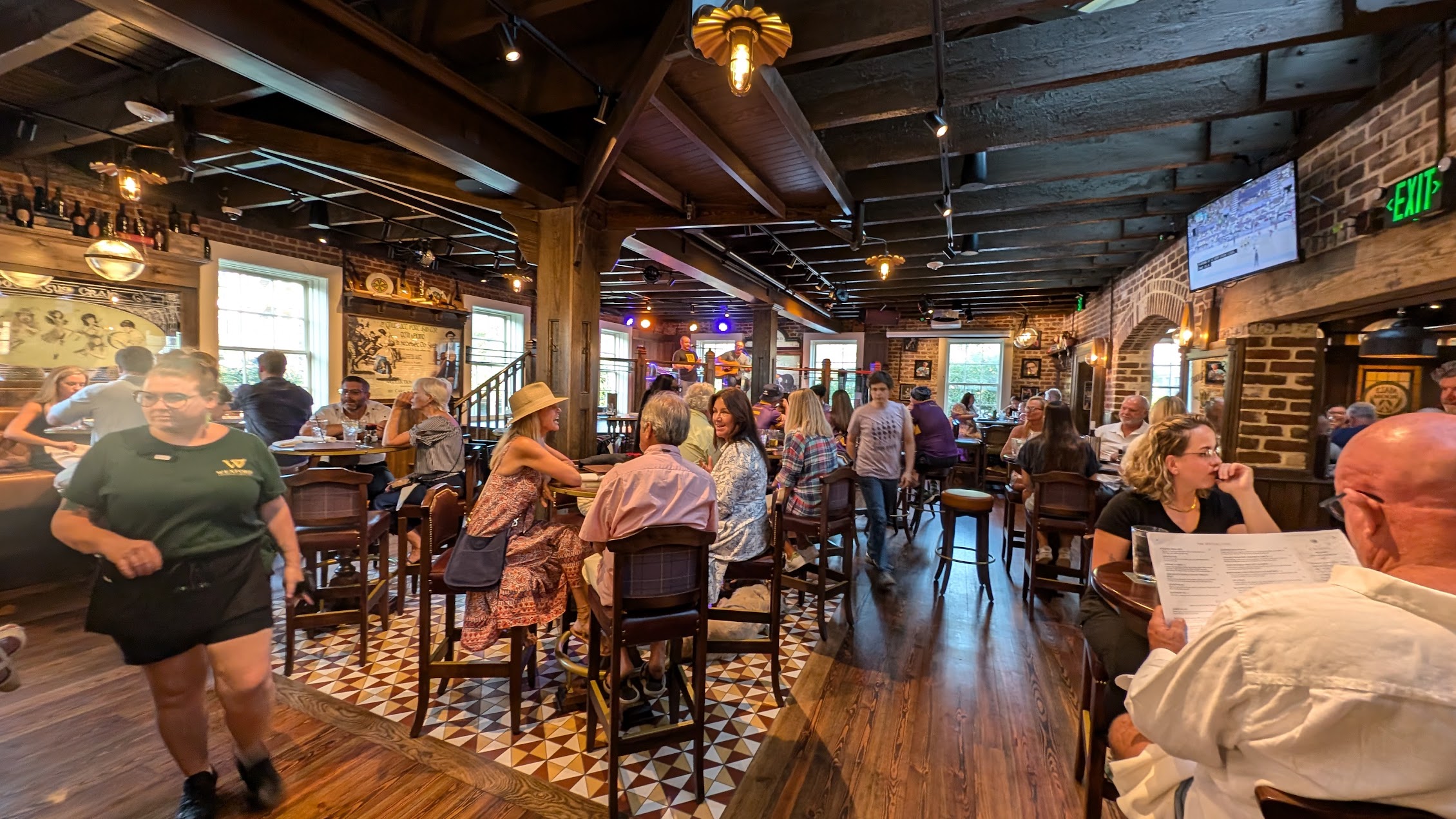
Irish pubs are found in cities across Europe and far beyond, from Copenhagen and Oslo to unexpected corners of the world. Yet no matter where they are located, the best Irish pubs share something unmistakable: they feel welcoming, familiar, and alive with conversation.
This is no accident.
Irish pub design plays a decisive role in shaping customer experience. Beyond aesthetics, it influences how long guests stay, how comfortable they feel, how easily conversations begin, and whether they return again. When designed authentically, an Irish pub becomes more than a place to drink; it becomes a social anchor.
The Irish Pub as an Extension of the Living Room
At its core, the traditional Irish pub is designed to feel like an extension of home. Guests should feel comfortable walking in alone, sitting at the bar, and naturally becoming part of the atmosphere. This sense of ease is built into the design itself.
This “living room” effect lowers social barriers. Customers are more likely to relax, stay longer, and engage, not just with friends but with bartenders and fellow guests.
Why Authenticity Matters in Irish Pub Design
Authentic Irish pub design is not about decorative clichés. It is about purpose.
Authentic Irish pubs are shaped by how people use them, not by trends. Every element serves a function, encouraging conversation, comfort, and connection.
In contrast, purely “Irish-themed” venues often prioritize spectacle over experience. While they may look the part, they often lack the warmth and depth that customers instinctively respond to, a difference that becomes especially clear when compared with spaces built around authentic Irish pub design that attract and engage visitors.
Authenticity matters because guests can sense when a space is designed for people, not performance, and it attracts repeat visitors, not just one-time crowds. This distinction is significant in European markets, where customers value craftsmanship, history, and substance.
How Irish Pub Layout Encourages Social Interaction
One of the defining features of traditional Irish pub design is its social layout, an approach that continues to shape authentic pub atmospheres worldwide.
Rather than isolating guests, the space naturally brings people together.
Design principles that support this include:
-
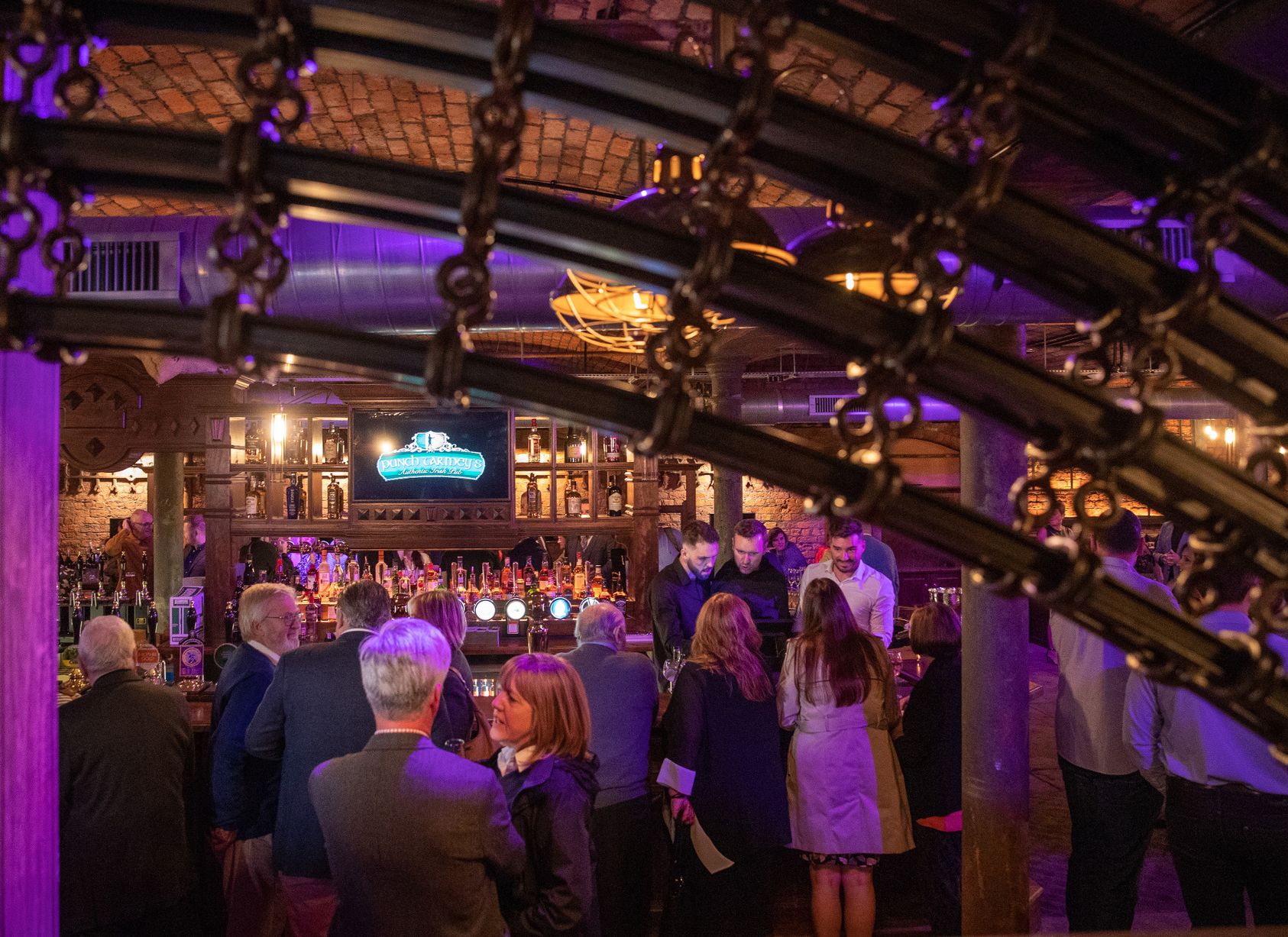
- A strong central bar that acts as the social heart of the pub
- Clear sightlines that allow guests to see and acknowledge one another
- Standing areas that encourage spontaneous conversation
- Bartender placement that invites dialogue, not distance
Lighting is deliberately layered and subdued. Soft lighting creates a sense of intimacy, reduces visual noise, and encourages guests to settle in rather than rush through their visit.
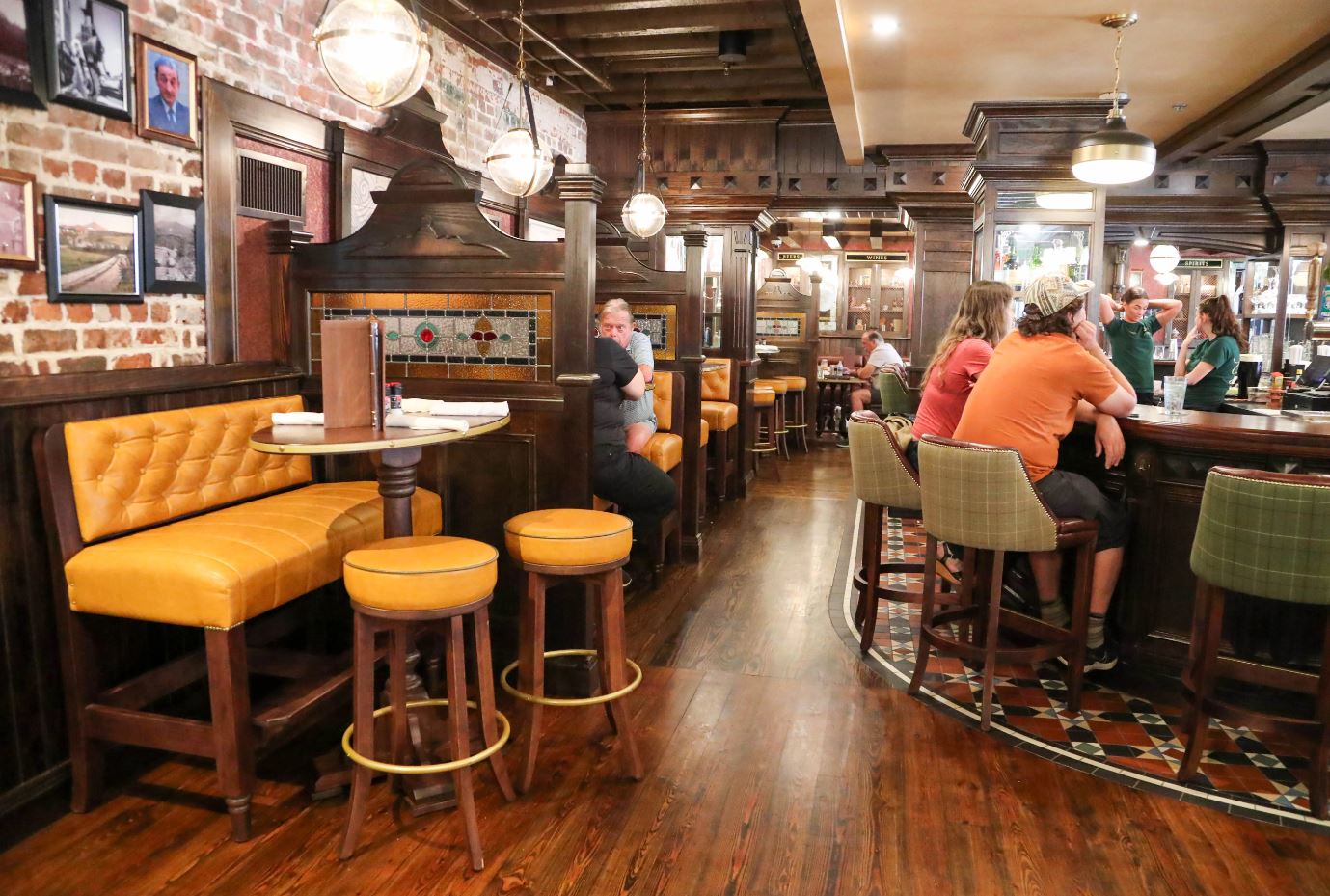
Craftsmanship is particularly valued in European pub design, hand-finished elements and thoughtful detailing signal quality and permanence, qualities that resonate strongly with guests.
In well-designed Irish pubs, the bar staff are not hidden behind the counter; they are part of the experience. The design supports this relationship, turning service into social interaction.
Global Consistency with Local Character
Irish pubs succeed internationally because they strike a careful balance: familiarity without uniformity.
Across Europe, customers recognize the feeling of an Irish pub the moment they enter. At the same time, the best pubs adapt to local culture, architecture, and customer habits.
This balance builds trust:
-
- Familiar design lowers hesitation for first-time visitors
- Local adaptations create relevance and belonging
- Consistency strengthens brand recognition without sacrificing authenticity
This approach has allowed Irish pubs to flourish in diverse markets while remaining true to their roots.
Why Irish Pub Design Works Across Cultures
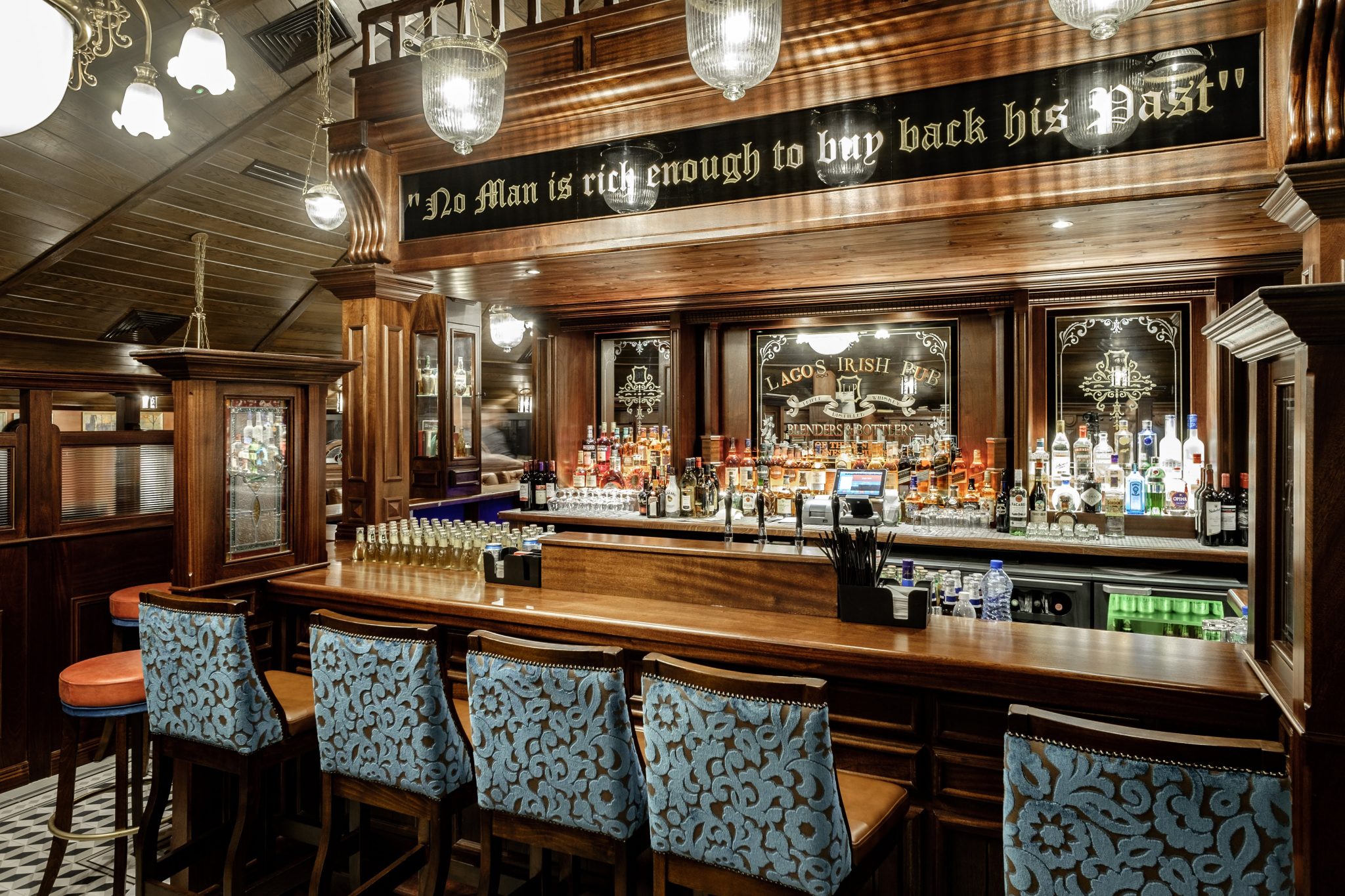
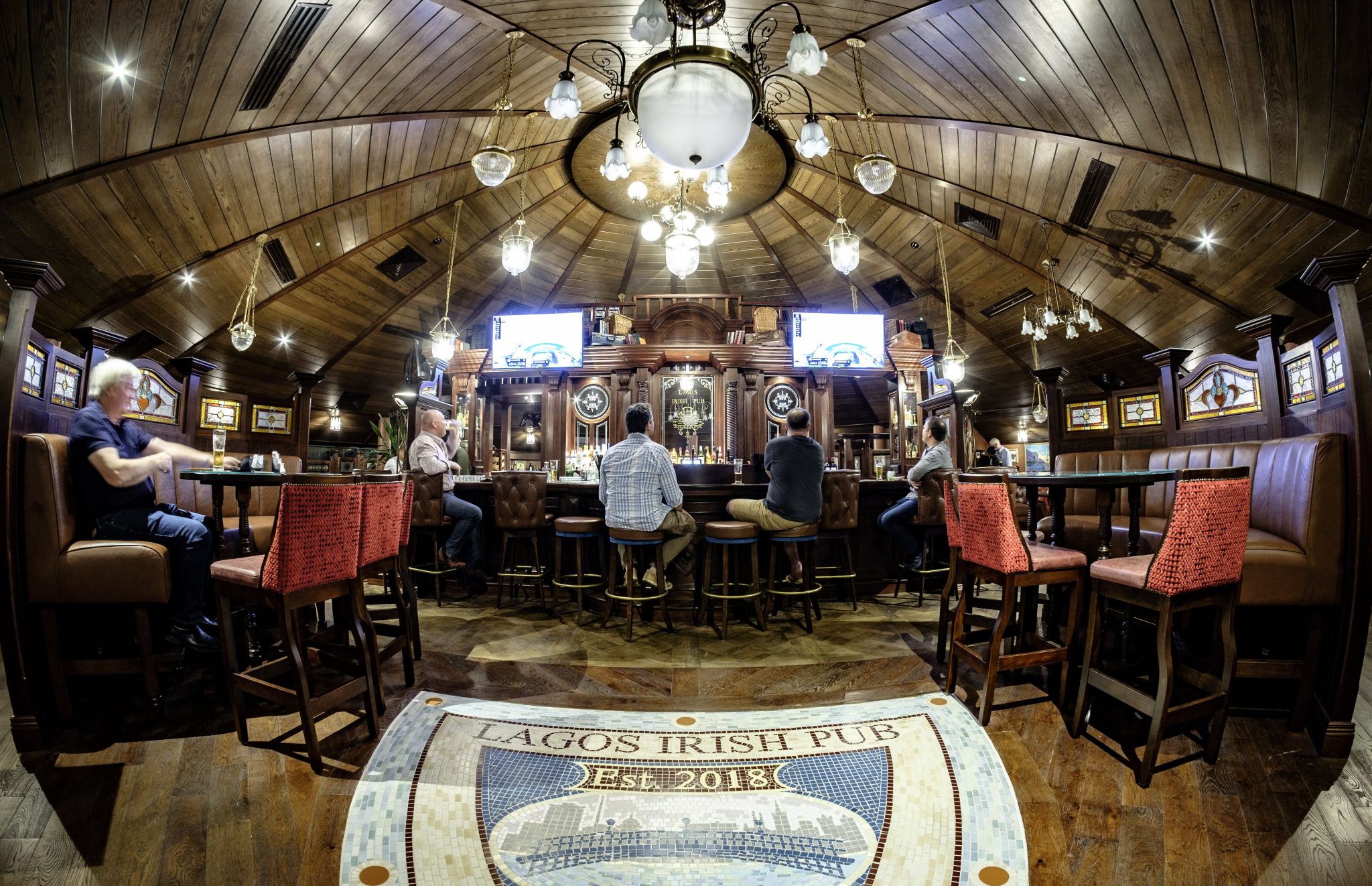
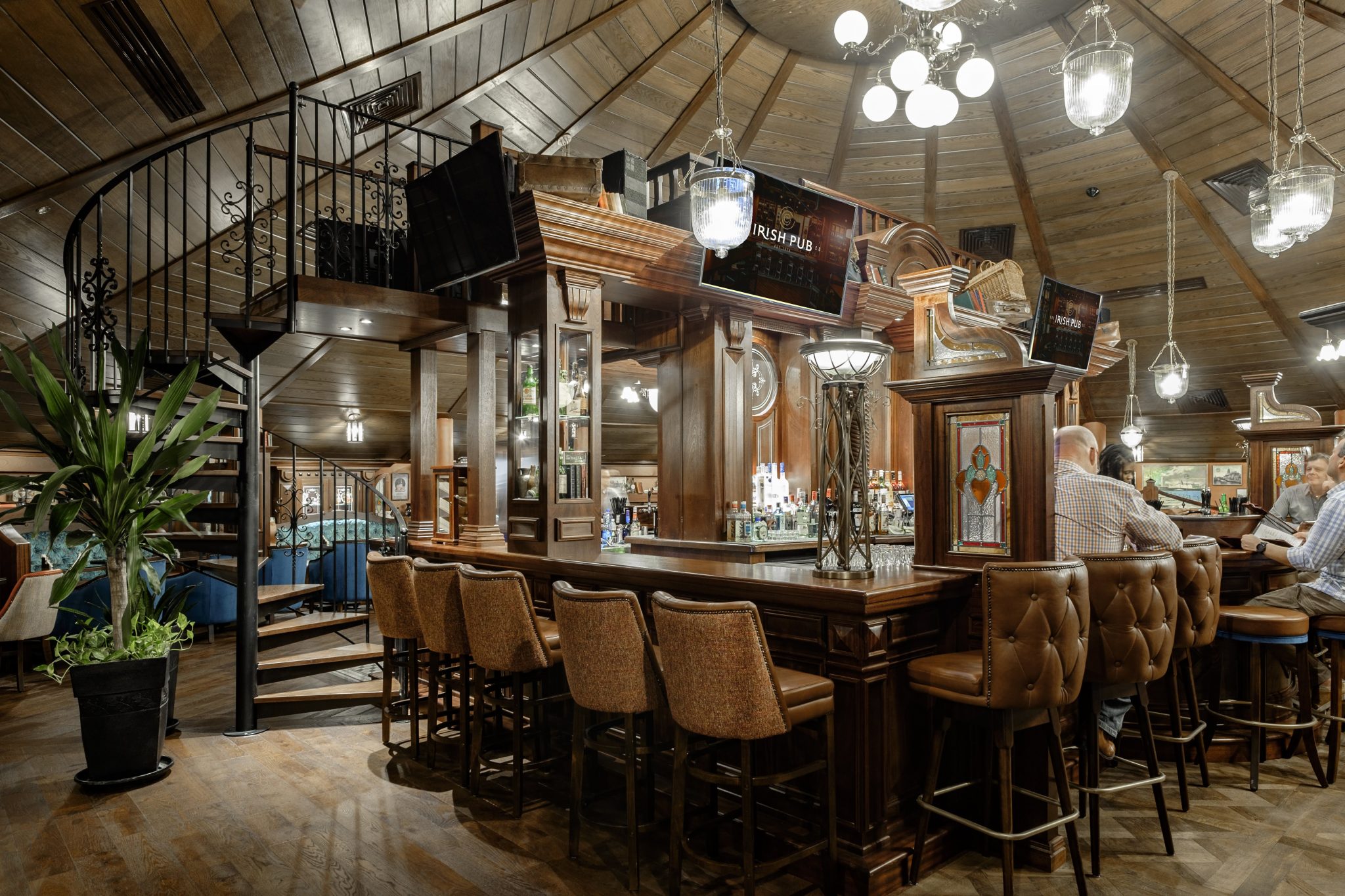
Irish pubs succeed globally not because they look identical everywhere, but because they are built around universal human behavior. At their core, traditional Irish pubs prioritize warmth, simplicity, and social connection, qualities that translate naturally across cultures, markets, and communities.
The global rise of Irish pubs reflects this. In cities like Oslo, Irish pubs grew rapidly in the 1990s, and today they exist in major cities and even remote locations worldwide. Their success is not driven by visual theme alone. Instead, Irish pubs create environments where people feel comfortable staying longer, talking more, and returning regularly. Often described as an extension of the living room, they combine conversation-driven layouts, approachable music, and welcoming social energy.
Rather than relying on spectacle or trend-driven interiors, authentic Irish pub design focuses on function. Layouts encourage familiarity and interaction. Materials, lighting, and spatial proportions are chosen to create comfort rather than visual impact.
Irish emigration also helped spread this model globally, turning pubs into cultural hubs used for social gatherings and life events. Over time, IPC helped standardize and export authentic Irish pub design, combining cultural heritage with strong commercial potential.
This balance of emotional consistency and local adaptation can be clearly seen in the global spread of Irish pub culture, where authentic Irish pub environments successfully translate across countries and communities.
Why Irish Pub Design Drives Business Results
Well-designed Irish pubs consistently outperform because design directly influences behaviour.
Effective design leads to:
-
- Longer customer dwell time
- Higher average spend per visit
- Strong emotional loyalty
- Repeat customers and word-of-mouth growth
In hospitality, design is not decoration; it is strategy. When the environment supports comfort and connection, commercial success follows naturally.
Conclusion
Irish pubs have become a global phenomenon not because they are copied, but because they are carefully designed around human connection.
Authentic Irish pub design creates spaces where people feel welcome, conversations flow easily, and memories are made. Across Denmark, Europe, and beyond, these principles continue to shape the customer experience and ensure that the Irish pub remains not just popular but enduring.


